


Developing a balanced diet is crucial for maintaining overall health and wellbeing. Research shows that individuals who follow a healthy eating pattern tend to live longer and are less likely to experience serious health issues, such as heart disease and obesity.
By making informed choices about the foods we consume, we can significantly improve our quality of life. This involves adopting sustainable habits that promote a positive relationship with food, rather than following a restrictive diet. Gradual changes to our eating patterns can lead to substantial health benefits over time.
Key Takeaways
- Healthy eating patterns can lead to a longer life and reduced risk of serious health problems.
- Adopting sustainable eating habits promotes overall wellbeing.
- Gradual changes to eating patterns can result in significant health benefits.
- A balanced diet helps manage chronic diseases and prevent complications.
- Fostering a positive relationship with food is key to maintaining healthy eating habits.
Understanding the Impact of Healthy Eating on Your Wellbeing
The food you eat has a profound impact on your wellbeing and quality of life. Healthy eating is not just about dieting; it’s about adopting sustainable habits that benefit your overall health.
Eating a balanced diet helps regulate your metabolism, maintain a healthy weight, and have consistent energy levels throughout the day. Nutritious foods provide the body with the necessary nutrients to function properly.
Managing Weight and Energy Levels
Managing your weight and energy levels is crucial for overall wellbeing. When you consume more than your body needs, you gain weight, and when you consume less, you lose weight. Nutritious eating patterns help in maintaining a healthy weight without constant dieting.
- Nutritious eating patterns help regulate your metabolism.
- Balanced meals provide sustained energy throughout the day.
- Protein-rich foods help you feel fuller longer.
Long-term Health Benefits
Adopting healthy eating habits has numerous long-term benefits. It supports quality sleep, reduces strain on joints and organs, and enhances productivity and mood. By making healthy food choices, you can significantly improve your overall wellbeing and maintain a healthy weight and energy level.

Base Your Meals on Nutrient-Rich Carbohydrates
Nutrient-rich carbohydrates are the foundation of a healthy meal, providing essential energy and nutrients. Incorporating these into your diet can have a significant impact on your overall health and wellbeing.
Choosing Whole Grains Over Refined Options
When it comes to carbohydrates, whole grains are a better choice than refined options. They are rich in fiber, vitamins, and minerals, making them more nutritious. Whole grains like brown rice, quinoa, and whole-wheat bread provide sustained energy and can help manage weight.
Portion Control for Starchy Foods
Understanding portion sizes for starchy foods is crucial to maintaining a balanced diet. A serving size is typically the size of your clenched fist. Being mindful of the calories added by fats like butter or oil is also important. Here are some tips for managing portions:
- Managing your meal portions helps prevent overconsumption of starchy foods.
- Using smaller plates can create the illusion of a fuller plate with appropriate amounts.
- Balancing your plate with starchy foods, proteins, and vegetables creates a satisfying meal without excess calories.

Incorporate Fruits and Vegetables Daily
Eating a rainbow of fruits and vegetables daily can significantly boost your overall health. Incorporating a variety of these foods into your diet can provide essential nutrients, fiber, and antioxidants that support wellbeing.
Meeting Your 5-A-Day Goal
Aim to include a mix of fruits and vegetables in your meals to meet your 5-a-day goal. You can achieve this by adding them to your breakfast, lunch, and dinner. For instance, start your day with a fruit salad or add spinach to your omelette.
Creative Ways to Add Produce to Meals
There are numerous ways to incorporate more fruits and vegetables into your meals. You can blend vegetables into sauces and soups, add chopped fruits to salads, or roast vegetables with herbs for a flavorful side dish. As
“The key to a healthy diet is to eat a variety of foods.”
Keeping pre-cut vegetables and fruits in the refrigerator can make healthy snacking more convenient. Experimenting with one new fruit or vegetable each week can expand your palate and nutritional variety.

Balance Your Protein Sources
A well-rounded diet includes a variety of protein sources. This balance is crucial for maintaining overall health and ensuring you get all the necessary nutrients.

Benefits of Fish and Lean Meats
Fish and lean meats are excellent sources of protein. They provide essential nutrients while being lower in saturated fats. For example, baking or grilling fish instead of frying can make for a healthier meal.
Plant-Based Protein Alternatives
Plant-based proteins like beans, lentils, and tofu offer variety and are rich in fiber and nutrients. They can be prepared in numerous ways, such as in bean burgers or lentil “meatballs,” making them a versatile addition to meals.
Reduce Saturated Fat and Added Sugar
The quality of your diet heavily relies on limiting saturated fats and added sugars. Consuming high amounts of saturated fats can increase your risk of heart disease by raising cholesterol levels in the blood.
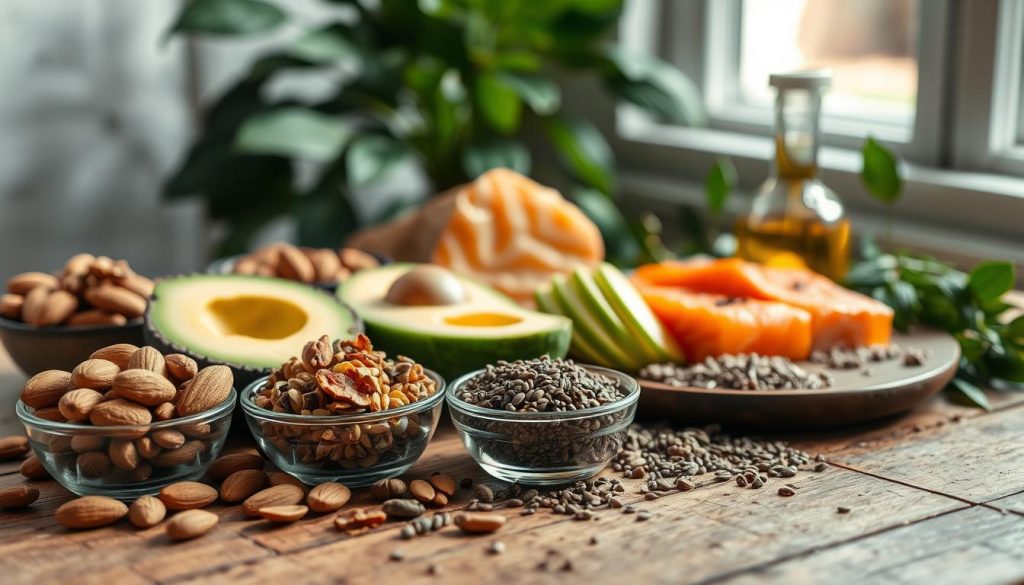
It’s essential to be mindful of the types of fats you consume. There are two main types: saturated and unsaturated fats. Saturated fats are found in foods like fatty meats, sausages, butter, hard cheese, and cakes. On the other hand, unsaturated fats, which are beneficial for heart health, are found in foods such as vegetable oils, oily fish, and avocados.
Identifying Hidden Sugars in Foods
Hidden sugars are often found in processed foods. Reading food labels can help you identify these sugars. Be aware of ingredients like high fructose corn syrup and sucrose, which are types of added sugars.
Healthier Fat Alternatives
Replacing saturated fats with unsaturated fats can improve your diet. Use butter sparingly and opt for healthier alternatives like olive oil for cooking. This simple swap can significantly reduce your saturated fat intake and support heart health by managing cholesterol levels.
Developing Sustainable Healthy Eating Habits
Sustainable healthy eating habits are not just about the food; they’re about creating a lifestyle that promotes overall wellbeing. To achieve this, it’s crucial to understand the factors that influence your eating habits.
Identifying Unhealthy Eating Triggers
Unhealthy eating triggers can range from emotional states like stress or boredom to environmental cues such as watching TV while eating. Recognizing these triggers is the first step towards making healthier choices. By being aware of why you eat, you can develop strategies to manage these triggers effectively.
Strategies for Mindful Eating
Mindful eating involves paying full attention to the experience of eating and drinking. This includes noticing colors, smells, flavors, and textures. Simple practices like putting down your utensils between bites, chewing thoroughly, and eliminating screens during meals can promote mindfulness. Appreciating your food and expressing gratitude can also transform eating into a meaningful experience.
- Eating slowly and without distractions helps recognize hunger and fullness cues.
- Planning meals in advance prevents impulsive food choices.
- Creating a pleasant eating environment encourages focus on the meal.
Stay Hydrated and Limit Sugary Drinks
Drinking enough water and limiting sugary beverages are essential for a healthy lifestyle. Staying hydrated helps maintain bodily functions, while excessive sugar consumption can lead to various health issues.
Water Intake Guidelines
Plain water is the best beverage choice. If you find plain water boring, try infusing it with fresh fruit or herbs like mint. The goal is to drink enough water throughout the day to stay hydrated.
Healthier Beverage Choices
When it comes to other drinks, unsweetened tea, coffee, and low-fat milk are good alternatives. Limit fruit juice and smoothies to small portions (4-6 ounces) due to their high sugar content. Be mindful of the calories in your drinks to maintain a healthy diet.
Conclusion: Small Changes for Lasting Results
By focusing on progress rather than perfection, you can cultivate healthy eating habits that last a lifetime.
Remember, habits take time to develop, so be patient with yourself. When you slip up, stop immediately and reflect on why it happened. Celebrate your successes, no matter how small, to reinforce positive behaviors.
- Making small, consistent changes yields better long-term results than dramatic overhauls.
- It takes approximately 66 days to form a new habit, so persistence is key.
By adopting a positive approach to healthy eating, you’ll be more likely to maintain your progress and achieve your health goals.