


The ketogenic diet, a low carb, high fat nutritional approach, has gained popularity for its numerous health benefits. By drastically reducing carbohydrate intake and increasing fat consumption, the body is forced to burn fat for fuel instead of glucose, achieving a metabolic state called ketosis.
This comprehensive guide is designed to walk you through everything you need to know about starting and maintaining a ketogenic lifestyle as a beginner. We’ll explore the science behind ketosis, different types of keto diets, what foods to eat and avoid, and how to manage potential side effects.
Key Takeaways
- Understand the basics of a low carb, high fat nutritional approach.
- Learn how to achieve and maintain ketosis.
- Discover the different types of ketogenic diets.
- Find out what foods to eat and avoid on a keto diet.
- Manage potential side effects and maintain a healthy ketogenic lifestyle.
What Is the Ketogenic Diet?
By drastically reducing carbohydrate intake and increasing fat consumption, the ketogenic diet aims to change how the body produces energy. This dietary approach involves a significant shift in the way the body metabolizes nutrients, putting it into a metabolic state called ketosis.
The ketogenic diet is a very low-carb, high-fat diet that shares similarities with other low-carb diets like Atkins. However, it’s distinct in its focus on inducing and maintaining ketosis through precise macronutrient ratios.
The Science Behind Keto
When you deprive your body of glucose from carbs, it enters a metabolic state called ketosis, where it begins breaking down fat into molecules called ketones to use as its primary fuel source. The science behind the keto diet involves understanding how insulin levels drop when carbohydrate intake is restricted, allowing fat cells to release stored fatty acids that the liver converts into ketones.
How Keto Differs from Other Low-Carb Diets
Unlike other low-carb diets that simply reduce carbohydrates, the ketogenic diet specifically aims to induce and maintain ketosis. While diets like Atkins eventually reintroduce carbs, a standard keto diet maintains very low carbohydrate intake long-term to keep the body in ketosis.
The ketogenic diet differs from other low-carb approaches in its higher fat content, moderate protein levels, and stricter carbohydrate limitations, making it a unique dietary regimen.
Understanding Ketosis: The Metabolic State
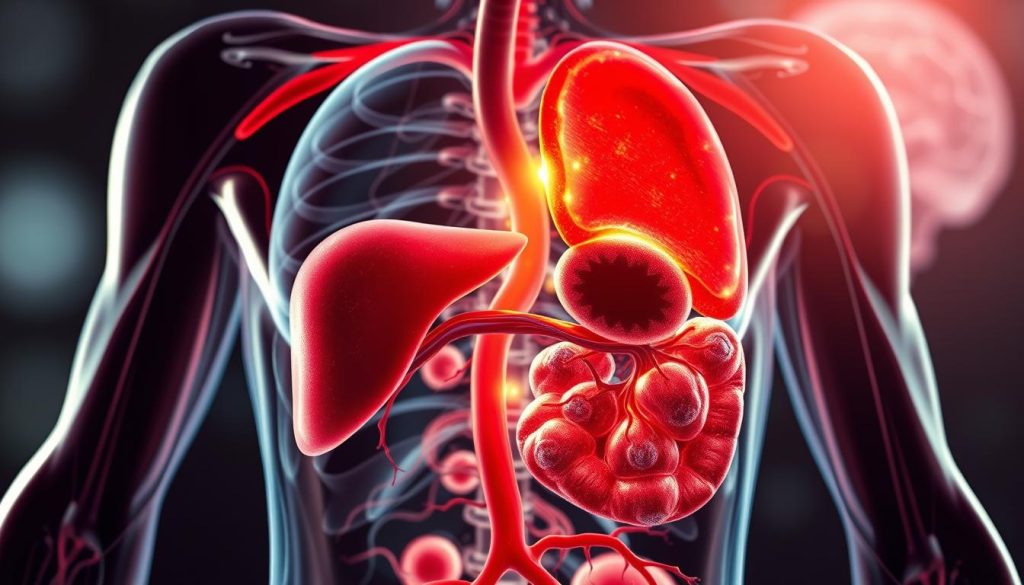
When you significantly reduce your carb intake, your body shifts into a unique metabolic state known as ketosis. This metabolic shift is fundamental to the ketogenic diet’s effectiveness. Ketosis is a state where your body burns fat for fuel instead of carbohydrates, producing ketones in the process.
How Your Body Enters Ketosis
Entering ketosis involves depleting your body’s glucose stores by limiting carbohydrate intake, typically to around 20-50 grams per day. This drastic reduction forces your body to find alternative energy sources, turning to fat and producing ketones. The liver plays a crucial role in this process by converting fatty acids into ketone bodies that can be used by the brain and other organs for energy.
The timeline for entering ketosis varies among individuals, depending on factors like metabolism and activity level, but generally occurs within 2-4 days of strict carb restriction.
Signs You’ve Reached Ketosis
Several physical signs indicate that you’ve entered ketosis. These include increased thirst and dry mouth, frequent urination, and a decrease in hunger or appetite. Some people also experience a fruity or metallic taste due to the excretion of acetone, a type of ketone body.
Other indicators of ketosis include heightened energy levels, mental clarity, and weight loss. Monitoring ketone levels through urine strips, breath analyzers, or blood ketone meters can also confirm whether you’ve achieved ketosis, with blood testing being the most accurate method.
“The key to maintaining ketosis is consistency in your dietary habits, ensuring you stay within your daily carb limit and maintain a high-fat intake.”
Types of Ketogenic Diets
The ketogenic diet is not a one-size-fits-all approach; it has several variations. These different versions cater to various lifestyle needs, fitness goals, and health requirements, making the ketogenic diet accessible to a wide range of individuals.
Standard Ketogenic Diet (SKD)
The Standard Ketogenic Diet (SKD) is the most researched and commonly followed version. It consists of approximately 70% fat, 20% protein, and only 10% carbohydrates from daily caloric intake. This moderate protein and high-fat diet is ideal for those seeking to improve their overall health and achieve weight loss.
Cyclical Ketogenic Diet (CKD)
The Cyclical Ketogenic Diet (CKD) involves alternating between strict keto periods and higher carb “refeed” periods. Typically, this means following a keto diet for 5-6 days and then having 1-2 days of higher carbohydrate intake. This variation is popular among athletes and bodybuilders who need periodic glycogen replenishment.
Targeted Ketogenic Diet (TKD)
The Targeted Ketogenic Diet (TKD) allows for strategic carbohydrate consumption around workout times. Typically, 25-50g of carbs are consumed before or during exercise to provide immediate energy without significantly disrupting ketosis. This approach is beneficial for those who engage in high-intensity workouts.
High-Protein Ketogenic Diet
The High-Protein Ketogenic Diet modifies the standard ketogenic diet by increasing protein intake to about 35% of calories, while maintaining low carbs (5%) and moderately high fat (60%). This variation is suitable for individuals with higher protein needs, such as those who are physically active or seeking to preserve muscle mass.
The Keto Diet for Beginners: Macronutrient Breakdown
For beginners, mastering the macronutrient breakdown is vital for achieving ketosis. The ketogenic diet is a significant departure from traditional dietary recommendations, focusing on high-fat, moderate-protein, and low-carbohydrate intake.

Understanding Fat, Protein, and Carb Ratios
A typical keto diet consists of 70-80% fat, 10-20% protein, and 5-10% carbs. Moderating protein intake is crucial because excessive protein can be converted into glucose, potentially slowing the transition into ketosis. The proper fat-to-protein-to-carb ratio is essential; consuming too many carbs will prevent ketosis, while too much protein can be converted to glucose through gluconeogenesis.
- The keto diet requires a significant shift in macronutrient consumption, with approximately 70-80% of calories from fat, 15-25% from protein, and only 5-10% from carbohydrates.
- Carbohydrate intake should be limited to 20-50 grams per day, focusing on non-starchy vegetables and small amounts of berries.
- Protein intake should be moderate, typically 0.6-0.8 grams per pound of lean body mass, to maintain muscle mass without interfering with ketosis.
Calculating Your Personal Macros
Calculating your personal macronutrient targets involves considering factors like age, gender, weight, height, activity level, and specific goals (weight loss, maintenance, or muscle gain). Various online keto calculators can help determine these targets, which may need adjustment based on individual response and progress.
By understanding and applying the correct macronutrient ratios, beginners can effectively transition into a keto lifestyle and achieve their health and weight goals.
Health Benefits of the Ketogenic Diet
Research has shown that the ketogenic diet provides a multitude of health benefits, ranging from weight loss to improved blood sugar control. The diet’s effectiveness in promoting overall health and well-being has been demonstrated through various studies.
Weight Loss and Fat Burning
The ketogenic diet is highly effective for weight loss and fat burning. By reducing insulin levels and increasing fat oxidation, the diet helps individuals lose excess fat. Studies have shown that people following a ketogenic diet often experience greater weight loss compared to those on low-fat diets, even without calorie restriction.
- Reduced insulin levels lead to increased fat burning
- Improved satiety hormones naturally decrease appetite
- Greater weight loss compared to low-fat diets
Blood Sugar Control and Diabetes Management
For individuals with type 2 diabetes or prediabetes, the ketogenic diet can dramatically improve blood sugar control. By reducing carbohydrate intake and improving insulin sensitivity, the diet can potentially reduce or eliminate the need for medication in some cases. One study found that the ketogenic diet improved insulin sensitivity by 75%.
Mental Clarity and Brain Health
The ketogenic diet has been shown to have positive effects on brain health, including improved cognitive function, mental clarity, and focus. The brain’s efficient use of ketones for energy is attributed to these benefits. Originally developed to treat epilepsy, the ketogenic diet continues to show promise for reducing seizure frequency in patients who don’t respond well to medication.
Other Health Benefits
In addition to weight loss and improved blood sugar control, the ketogenic diet offers other health benefits. These include reduced inflammation, improved heart health markers, potential cancer therapy applications, and management of polycystic ovary syndrome (PCOS).
- Reduced inflammation
- Improved heart health markers
- Potential cancer therapy applications
Foods to Eat on a Keto Diet
To succeed on a keto diet, understanding which foods to eat is essential for maintaining the metabolic state of ketosis. The right foods help your body burn fat efficiently and provide the necessary nutrients for overall health.
Healthy Fats and Oils
Healthy fats and oils are the foundation of a ketogenic diet. Excellent sources include avocados, extra virgin olive oil, and coconut oil. These foods provide both energy and essential fatty acids. Other beneficial options are grass-fed butter, ghee, lard, tallow, and MCT oil. Incorporating these into your diet will help maintain the high-fat requirement of a keto diet.

Protein Sources
Quality protein sources are crucial on a keto diet. Include eggs, grass-fed beef, and pasture-raised poultry in your meals. Wild-caught fatty fish like salmon and mackerel are also excellent choices. Moderate amounts of pork, lamb, and organ meats can be consumed as well. These protein sources help maintain muscle mass while keeping your carb intake low.
Low-Carb Vegetables
Low-carb vegetables are vital for providing micronutrients and fiber. Focus on leafy greens like spinach and kale, and cruciferous vegetables such as broccoli and cauliflower. Other good options include zucchini, asparagus, bell peppers, and mushrooms. These vegetables support overall health without compromising your keto diet.
Keto-Friendly Beverages
Staying hydrated is important on a keto diet. Drink plenty of water, and consider unsweetened coffee and tea. Bone broth is another nutritious option. For those who consume alcohol, small amounts of dry wine or spirits without sugary mixers can be included occasionally.
Foods to Avoid on a Keto Diet
When following a keto diet, it’s crucial to know which foods to avoid to maintain ketosis. The key to a successful keto diet is limiting carbohydrate intake and focusing on high-fat, moderate-protein foods. By avoiding certain food groups, you can ensure that your body remains in a state of ketosis.
High-Carb Foods
High-carb foods must be eliminated or significantly reduced on a keto diet. These include all grains like wheat, rice, and oats, as well as starchy vegetables such as potatoes and sweet potatoes. Legumes, including beans, lentils, and peas, are also high in carbs and should be limited.
Sugars and Sweeteners
All forms of sugar and sweetened products should be avoided on a keto diet. This includes table sugar, honey, maple syrup, and agave nectar, as well as candies, desserts, and sweetened beverages. These foods can immediately kick you out of ketosis, making it challenging to achieve your dietary goals.
Processed Foods and Hidden Carbs
Many processed foods contain hidden carbs and unhealthy additives. Commercial salad dressings, sauces, marinades, and packaged “low-fat” products often replace fat with sugar and fillers, making them unsuitable for a keto diet. It’s essential to read labels carefully to avoid these hidden carbs.
By being mindful of these food groups and carefully selecting what you eat, you can maintain a state of ketosis and achieve the benefits of a keto diet, including weight loss and improved blood sugar control.
Getting Started: Your First Week on Keto
The first week on a keto diet is crucial, and being prepared is key to navigating this significant dietary change. To ensure a smooth transition, it’s essential to understand the steps involved in preparing for this new lifestyle.
Preparing Your Kitchen
To start your keto journey, begin by cleaning out your kitchen and removing high-carb foods. Stock up on keto-friendly alternatives like meats, low-carb vegetables, healthy fats, and appropriate seasonings. Familiarize yourself with food labels, checking the grams of fat, carbs, and fiber to determine how your favorite foods can fit into your diet.
- Remove high-carb foods from your pantry.
- Stock up on keto-friendly foods.
- Understand food labels to make informed choices.
Meal Planning Basics
Meal planning is crucial for early success on the keto diet. Prepare simple meals with protein and non-starchy vegetables cooked in healthy fats. Consider batch cooking to have keto-friendly options readily available. Planning your meals in advance can help you save time and stay on track.
- Plan your meals around protein and non-starchy vegetables.
- Cook with healthy fats.
- Use batch cooking to save time.
Staying Hydrated and Managing Electrolytes
Staying properly hydrated is essential when starting keto, as the diet has a natural diuretic effect that increases water and electrolyte loss. Manage electrolytes by increasing sodium (through broth or salt), potassium (from avocados and leafy greens), and magnesium (from supplements if needed). This can help prevent the “keto flu” symptoms many beginners experience.

- Drink plenty of water to stay hydrated.
- Increase sodium intake through broth or salt.
- Consume potassium-rich foods like avocados and leafy greens.
By following these steps and being mindful of your carb intake, you can ease into ketosis and set yourself up for long-term success on the keto diet. Staying hydrated and managing electrolytes are crucial for minimizing side effects and ensuring a smooth transition.
7-Day Keto Meal Plan for Beginners
Embarking on a ketogenic diet can be daunting, but a comprehensive 7-day meal plan can simplify the process for beginners. A well-designed meal plan helps individuals navigate their first week by providing structure and ensuring proper macronutrient balance without the stress of figuring out what to eat.
Breakfast Options
Breakfast on a keto diet can be both delicious and varied. Egg-based dishes like omelets, frittatas, and egg muffins are excellent choices. You can also consider chia puddings made with unsweetened almond milk, keto-friendly smoothies with avocado and berries, or simple bacon and eggs with avocado. For example, on Monday, you could have veggie and egg muffins with tomatoes, while on Wednesday, a nut milk chia pudding topped with coconut and blackberries could be a great option.
Lunch and Dinner Ideas
For lunch and dinner, focus on protein-centered meals. Salads topped with grilled chicken or steak and dressed with olive oil-based dressings are great. Lettuce wraps, tuna salad with mayo, or leftovers from dinner the night before are also convenient. Dinner recipes should incorporate a quality protein source paired with low-carb vegetables cooked in healthy fats. Examples include salmon with asparagus cooked in butter, bunless burgers with a side salad, or zucchini noodles with meat sauce. On Friday, you could enjoy ground beef lettuce wrap tacos with sliced bell peppers, while on Sunday, spaghetti squash Bolognese could be a satisfying dinner.
Keto-Friendly Snacks
Snacking on a keto diet is easy with options like cheese cubes, olives, hard-boiled eggs, avocado slices, pork rinds, celery with cream cheese, small portions of nuts, or beef jerky (without added sugars). Incorporating a variety of low-carb vegetables throughout the week ensures adequate micronutrient intake. Vegetables like spinach, kale, broccoli, cauliflower, zucchini, and bell peppers provide essential vitamins and minerals while keeping carbs low.
By following this 7-day keto meal plan, beginners can establish a strong foundation for their ketogenic diet journey, making it easier to eat keto and maintain a low-carb lifestyle. Using olive oil in cooking and dressings can further enhance the flavor and nutritional value of meals.
Understanding and Managing the Keto Flu
As the body adapts to a ketogenic diet, it may undergo a period of adjustment, often termed the ‘keto flu.’ This condition is not an actual flu but rather a collection of symptoms that can occur as the body transitions from relying on carbohydrates to relying on fat for fuel.
Common Symptoms
The keto flu encompasses a range of symptoms, including headaches, fatigue, irritability, dizziness, brain fog, nausea, difficulty sleeping, constipation, muscle cramps, and general feelings of weakness. These symptoms typically peak within the first 3-5 days of starting the diet.

How to Minimize Side Effects
To alleviate the side effects associated with the keto flu, it’s essential to stay well-hydrated by drinking plenty of water throughout the day. Increasing sodium intake through broth or by adding salt to food can also help, as the diet’s diuretic effect causes increased sodium excretion. Supplementing with magnesium and potassium can reduce muscle cramps and fatigue. Gradually reducing carbohydrate intake over a week rather than cutting carbs drastically can make the transition smoother.
By understanding the causes of the keto flu and taking proactive steps to manage its symptoms, individuals can make their transition to a ketogenic diet more comfortable and increase their chances of success on this dietary regimen.
Monitoring Your Progress on Keto
Tracking your progress on a keto diet involves more than just weighing yourself; it’s about understanding how your body is responding to the diet. By monitoring various health markers, you can ensure you’re on the right track and make adjustments as needed.
Testing for Ketosis
To confirm whether you’ve entered ketosis, you can use several testing methods. These include urine strips, breath analyzers, and blood ketone meters. Urine strips are the most affordable option but are also the least accurate. Breath analyzers offer convenience for ongoing testing, while blood ketone meters provide the most accurate readings by measuring beta-hydroxybutyrate (BHB) levels.
Tracking Weight and Other Health Markers
While weight loss is a significant aspect of the ketogenic diet, it’s not the only indicator of progress. Tracking body measurements, energy levels, sleep quality, and mental clarity can provide a more comprehensive picture of your health. Additionally, monitoring blood markers like lipid profiles, blood glucose, and blood pressure can offer valuable insights into how your body is responding to the diet.
It’s essential to approach weight tracking with patience, understanding that initial rapid weight loss is primarily water weight, followed by a more gradual fat loss. By focusing on overall health and body composition changes, you can get a clearer picture of your progress on the keto diet.
Common Keto Mistakes to Avoid
To succeed on a keto diet, it’s crucial to be aware of the most common mistakes that can slow down your weight loss journey. The ketogenic diet is a high-fat, low-carbohydrate, moderate-protein diet that can be challenging to follow, especially for beginners.
Not Eating Enough Fat
One of the most common keto mistakes is not consuming enough fat. The goal of a ketogenic diet is to train your body to burn fat for fuel by eating a high-fat diet. It’s essential to make sure you’re consuming enough healthy fats each day, such as fatty fish, avocado, nuts, and nut butters, coconut, and extra virgin olive oil. Fat should comprise 70-80% of your daily calories on a ketogenic diet.
Consuming Too Much Protein
Another consideration to make in your keto meal plans is consuming too much protein. The body can convert high protein foods into sugar, which increases insulin secretion and, in turn, slows the transition into ketosis. It’s crucial to maintain a moderate protein intake to avoid this issue.
Neglecting Vegetables and Fiber
Some people who eat a keto diet mostly focus on animal products to get their protein and fats, and their diet becomes devoid of fiber. If this is the case, you may develop gut symptoms such as constipation and alter your microbiome in a negative way. Including plenty of low-carb vegetables in your diet can help avoid these issues.
By being aware of these common keto mistakes, you can take steps to avoid them and ensure a successful weight loss journey on the keto diet.
Keto and Exercise: What You Need to Know
The ketogenic diet is not just about dietary changes; incorporating exercise can significantly boost its effectiveness. When you combine a keto diet with regular physical activity, you can experience enhanced weight loss, improved blood sugar control, and increased energy levels. However, it’s essential to understand how to adapt your workout routine to get the most out of your ketogenic lifestyle.
Adapting Your Workout Routine
When first adapting to a ketogenic diet, many people experience a temporary decrease in exercise performance. This typically resolves after 4-6 weeks as the body becomes more efficient at using fat and ketones for fuel. During this adaptation period, it’s advisable to reduce workout intensity by about 30-50% and gradually increase back to normal levels as your energy improves. Different types of exercise are affected differently by ketosis; endurance activities often improve once fat-adapted, while high-intensity movements may require some modifications.
Targeted Carbs for Performance
For those engaged in intense training or competitive sports, the Targeted Ketogenic Diet (TKD) approach allows for 15-30 grams of fast-acting carbs consumed 30 minutes before or immediately after workouts without significantly disrupting ketosis. This strategic carbohydrate timing can help improve performance and aid in recovery. Additionally, proper hydration and electrolyte management become even more critical when combining keto with exercise, as both increase fluid and mineral losses that need to be replenished.
Who Should Not Follow a Ketogenic Diet
The keto diet, although beneficial for many, poses risks for individuals with specific medical conditions or taking certain medications. It’s crucial to understand these risks before adopting a ketogenic lifestyle.
Medical Conditions and Contraindications
Certain medical conditions make it dangerous to follow a ketogenic diet. These include pregnancy and lactation, history of mental disorders, hepatic or renal failure, type 1 diabetes, porphyria, and recent myocardial infarction. Individuals with these conditions should seek medical advice to avoid serious complications.
- Pregnant or breastfeeding women should avoid a strict ketogenic diet due to potential effects on fetal and infant development.
- People with type 1 diabetes must approach keto with caution under close medical supervision to prevent diabetic ketoacidosis.
When to Consult a Healthcare Provider
Before starting a ketogenic diet, it’s essential to consult with a healthcare provider, especially if you’re taking medications for high blood pressure, diabetes, or other conditions. The diet may lead to improvements that require medication adjustments to prevent dangerous side effects. Additionally, individuals on SGLT2 inhibitors for type 2 diabetes should avoid keto due to the increased risk of diabetic ketoacidosis.
Long-Term Sustainability of the Keto Diet
While the keto diet offers numerous benefits, its long-term adherence can be challenging for many individuals. The restrictive nature of the diet can lead to difficulties in maintaining it over time. However, some people have successfully maintained a keto lifestyle for years, achieving significant weight loss and improvements in overall health.
Cycling In and Out of Ketosis
For those who find strict keto challenging to maintain long-term, cyclical approaches can provide metabolic flexibility while still offering many benefits. This can involve following a strict keto diet during weekdays and allowing slightly higher carb intake on weekends, or following a 3-4 week keto cycle followed by a week of moderate carb intake. When transitioning away from keto or implementing a cyclical approach, gradually increasing carbs by 5-10g per day helps prevent rapid weight regain.
Maintaining Results After Keto
Maintaining results after keto requires adopting sustainable eating habits that continue to limit refined carbohydrates and sugars while focusing on whole foods. The most successful long-term approach often involves finding a personalized balance that incorporates the principles of ketogenic eating, emphasizing healthy fats and protein, while allowing flexibility based on individual health goals and lifestyle.
Conclusion: Is the Keto Diet Right for You?
As you consider adopting the ketogenic diet, it’s essential to weigh its benefits against your personal health goals and lifestyle. The keto diet has proven effective for many people seeking weight loss, improved metabolic health, and specific therapeutic benefits. To determine if it’s right for you, consider your health situation, including any existing medical conditions and medications. Evaluate your lifestyle realistically, considering the planning and preparation required for a low-carb diet.
Ultimately, the “best” diet is one you can maintain consistently that supports your health goals. If you decide to try keto, approach it as an experiment, paying attention to how your body responds and being willing to make adjustments based on your unique needs and experiences. This mindful approach will help you achieve your weight loss goals and improve overall well-being.